Common Affiliate Marketing Terms Every Beginner Should Know
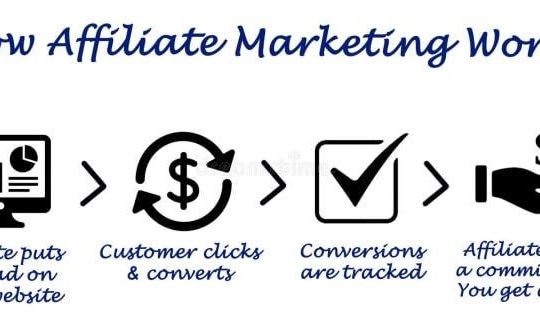
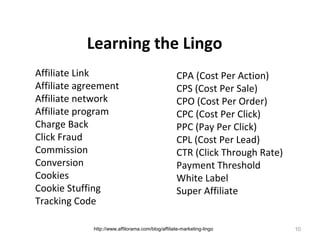
Affiliate marketing is one of the most accessible entry points into digital revenue generation, yet its vocabulary can feel like a foreign language to newcomers. Before you can negotiate a commission rate, evaluate a network, or optimize a funnel, you need to speak the language fluently. This guide breaks down the essential terminology every beginner should master, organized into logical categories so you can reference it as you build your first campaigns.
The Core Players
Every affiliate transaction involves at least three parties, and understanding each role is foundational to everything that follows.
- Affiliate (Publisher): The individual or company that promotes a product or service in exchange for a commission. If you are reading this as a beginner, this is likely the role you will occupy.
- Merchant (Advertiser): The brand or business that owns the product being promoted and pays commissions on resulting sales or actions.
- Affiliate Network: A platform that connects affiliates with merchants, handles tracking, and manages payments. Examples include large networks that aggregate thousands of offers under one roof.
- Affiliate Manager: The network or merchant representative who recruits affiliates, approves applications, and supports campaign performance.
Tracking and Attribution Terms
Affiliate marketing runs on data. These terms describe how clicks and conversions are recorded and credited.
Links and Identifiers
- Affiliate Link: A unique URL containing your tracking identifier. When a user clicks it, the network records the click against your account.
- Tracking ID (Sub-ID): A customizable parameter appended to your affiliate link that lets you segment traffic sources, campaigns, or ad creatives for granular reporting.
- Cookie: A small file stored in a user’s browser that tracks activity after an affiliate link click. Cookie duration determines how long after the click a conversion can still be credited to you.
- Cookie Duration: The window during which a conversion is attributed to your link, commonly ranging from 24 hours to 90 days depending on the program.
- Click-Through Rate (CTR): The percentage of users who click your affiliate link after seeing it. Calculated as clicks divided by impressions.
Conversion Mechanics
- Conversion: The desired action completed by a user, such as a purchase, sign-up, or form submission, that triggers a commission.
- Conversion Rate (CR): The percentage of clicks that result in a conversion. A critical metric for evaluating traffic quality and landing page effectiveness.
- Attribution: The rule set determining which affiliate receives credit when a user interacts with multiple marketing touchpoints before converting.
- Last-Click Attribution: The most common model, where the final affiliate link clicked before conversion receives full credit.
- Postback URL: A server-to-server tracking mechanism that passes conversion data directly between systems, offering greater reliability than cookie-based tracking.
Compensation Models
Merchants pay affiliates through several standard structures. Knowing which model applies to a given offer is essential before you invest time in promotion.
| CPA (Cost Per Action) | Payment issued when a user completes a specific action, such as a sale or lead submission. |
| CPC (Cost Per Click) | Payment issued for each click generated, regardless of whether a conversion occurs. |
| CPL (Cost Per Lead) | Payment issued when a user submits contact information or completes a registration form. |
| Revenue Share | A percentage of the sale amount or recurring subscription revenue paid to the affiliate. |
| Commission | The actual payout earned from a conversion, whether flat-rate or percentage-based. |
Performance Metrics
These figures tell you whether your campaigns are profitable and where optimization effort should be directed.
- EPC (Earnings Per Click): Average revenue generated per click across your traffic. A key benchmark for comparing offers.
- ROI (Return on Investment): Profit relative to spend. The definitive measure of campaign viability.
- Impression: A single instance of your affiliate content being displayed to a user.
- Reversal: A previously credited conversion that is revoked, typically due to a refund, chargeback, or fraudulent activity.
- Chargeback: A transaction reversed by the customer’s bank, often resulting in commission loss.
- EPC vs. CR: While conversion rate measures effectiveness, EPC measures monetary efficiency. Beginners should track both.
Traffic and Compliance Terms
The final category governs how you drive traffic and the rules you must follow while doing so.
Building Fluency as a Foundation
Terminology is not trivia; it is the operating system of affiliate marketing. When you understand what an EPC benchmark signals, why cookie duration shapes your strategy, and how attribution models influence which networks you join, you make better decisions at every stage of campaign development.
Start by familiarizing yourself with the terms in this guide, then apply them in context. Join a reputable network, review the program terms, and read the compensation model carefully. Over time, this vocabulary becomes second nature, and you can shift your focus from learning the language to optimizing the results.