How to Build an Effective Affiliate Content Calendar
Affiliate marketing success rarely comes from a single viral post or an occasional product mention. It comes from consistent, strategic publishing that builds audience trust over time and captures demand across every stage of the buyer journey. The difference between affiliates who earn steadily and those who chase sporadic commissions often comes down to one operational asset: a well-structured content calendar. This guide walks you through the process of building an affiliate content calendar that aligns your editorial output with revenue goals, seasonal demand, and platform algorithms.
Why an Affiliate Content Calendar Matters
A content calendar is more than a scheduling tool. For affiliate marketers, it is a revenue planning instrument. It forces you to think in terms of funnel coverage rather than isolated posts, ensures you promote offers before seasonal windows close, and prevents the feast-or-famine publishing pattern that undermines audience growth.
An effective calendar delivers three concrete benefits:
- Consistency: Search engines and social platforms reward predictable publishing cadence. A calendar keeps output steady during busy periods.
- Alignment: It maps content to affiliate program payout structures, promotional windows, and product launch cycles so you never miss peak conversion periods.
- Accountability: Assigning owners, deadlines, and review stages eliminates the bottlenecks that stall production.
Step 1: Define Your Goals and Key Metrics
Before you schedule a single post, establish what the calendar must accomplish. Affiliate content serves multiple purposes, and each purpose demands different formats and cadence. Start by defining measurable objectives for the quarter, such as increasing affiliate-attributed revenue by a specific percentage, growing email list signups from comparison content, or improving click-through rates on product roundups.
Tie each content initiative to a metric. A buying-guide article should be measured by conversion rate and revenue per visitor, while a tutorial video may be measured by engagement and downstream clicks. When goals are explicit, prioritization becomes straightforward, and you avoid producing content that looks productive but generates no affiliate value.
Choose Metrics That Reflect the Funnel
| Awareness | Blog posts, short-form video | Traffic, reach, new visitors |
| Consideration | Comparisons, reviews, tutorials | Engagement, time on page, email signups |
| Conversion | Buying guides, deal pages, demos | Affiliate click-through rate, conversion rate |
| Retention | Newsletters, update posts | Repeat clicks, subscriber retention |
Step 2: Audit Your Affiliate Programs and Offers
Your calendar should be built around the offers you actually promote. Create a working inventory of every affiliate program you belong to, including commission rates, cookie duration, payout thresholds, and any restrictions on promotional methods. Note which programs offer seasonal promotions, launch bonuses, or exclusive discounts, since these create time-sensitive content opportunities you must schedule in advance.
Rank your programs by revenue potential and audience fit. High-commission offers with strong conversion rates deserve more calendar slots than marginal programs. However, resist the temptation to over-index on commission rate alone; an offer your audience does not trust will erode credibility and damage long-term earnings.
Step 3: Map Content to the Buyer Journey
A healthy affiliate calendar balances content across the funnel. Awareness content pulls in new readers, consideration content builds trust and captures search intent, and conversion content drives clicks. Use a rough allocation such as forty percent awareness, forty percent consideration, and twenty percent conversion, then adjust based on your analytics.
For each piece, define the target keyword or topic cluster, the affiliate offer it supports, the call to action, and the internal links it will connect to. This metadata turns your calendar from a list of titles into a strategic map. It also makes it easy to spot gaps, such as a cluster of reviews with no supporting comparison content or a high-traffic tutorial with no monetized next step.
Step 4: Build the Calendar Structure
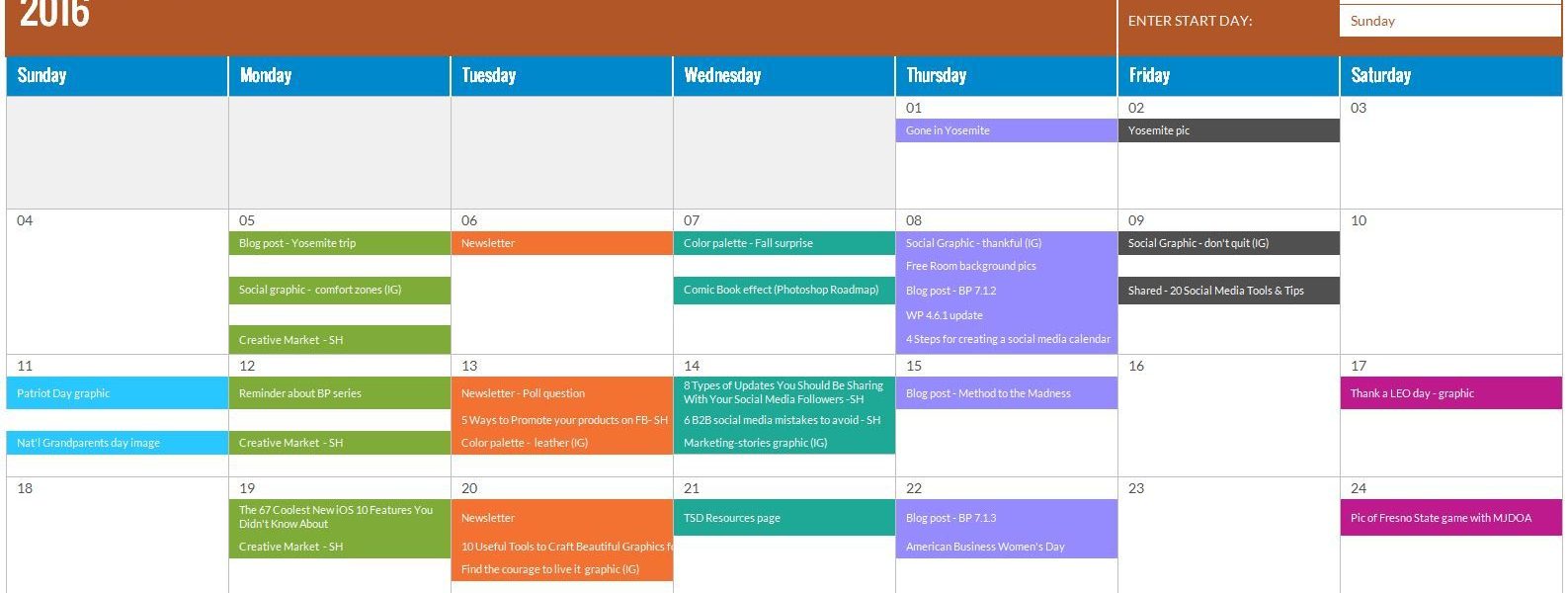
Choose a tool that your team will actually use, whether that is a shared spreadsheet, a project management platform, or a dedicated editorial calendar. The tool matters less than the fields you track. At minimum, include:
Plan in quarterly blocks with monthly detail. Quarterly planning sets themes and campaign priorities, while monthly views handle execution. Reserve roughly fifteen to twenty percent of each month for reactive content, such as new product launches, price changes, or industry news that creates timely affiliate opportunities.
Step 5: Align with Seasonal and Promotional Cycles
Affiliate revenue is highly seasonal. Major shopping events, product release cycles, and fiscal-year budget periods drive predictable spikes in conversion. Build your calendar backward from these dates, allowing enough lead time for content creation, review, and search indexing. Long-form buying guides and comparison pages should publish four to eight weeks before peak periods, while deal-focused content can publish closer to the event.
Also account for your own promotional calendar, including newsletter sends and social campaigns. Coordinating organic content with email pushes multiplies reach and gives each asset multiple conversion touchpoints without additional production cost.
Step 6: Review, Measure, and Iterate
A calendar is a living document. Schedule a monthly review to compare planned output against published output and to evaluate performance against your funnel metrics. Identify which formats and topics generate the most affiliate revenue per hour invested, then reallocate future slots accordingly.
Quarterly, conduct a deeper audit. Refresh underperforming pages, update outdated offers and pricing, prune content that no longer converts, and double down on clusters that demonstrate consistent returns. Document what you learn so future planning cycles start from evidence rather than assumption.
Final Thoughts
An effective affiliate content calendar connects editorial discipline to commercial outcomes. By defining goals, auditing your offers, mapping content to the buyer journey, structuring your schedule, planning around seasonal cycles, and reviewing performance consistently, you build a repeatable system that compounds over time. Start with a single quarter, keep the structure lean, and refine as your data improves. The calendar itself will not generate commissions, but it will ensure the content that does gets published on time, in the right place, with the right offer attached.