Affiliate Marketing vs Dropshipping: Key Differences
In the rapidly evolving landscape of online commerce, two business models consistently dominate the conversation for aspiring entrepreneurs: affiliate marketing and dropshipping. Both promise low barriers to entry, the flexibility to work from anywhere, and the potential for significant income. However, beneath these surface-level similarities lie fundamental differences that dictate everything from startup costs to daily operations. Understanding these distinctions is critical before committing time and capital to either path.
This article breaks down the core mechanics, financial structures, and operational demands of both models to help you make an informed decision.
The Fundamental Mechanics
How Affiliate Marketing Works
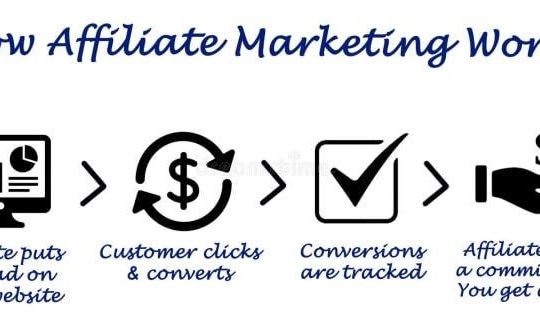
Affiliate marketing is a performance-based model in which you promote products or services created by other companies. When a customer clicks your unique affiliate link and completes a purchase, you earn a commission. You are essentially a digital sales intermediary—you do not own the product, manage inventory, or handle customer service.
Affiliates typically operate through content channels such as blogs, review sites, YouTube channels, email newsletters, or social media. The core asset is your audience and your ability to influence purchasing decisions. Programs are usually managed through affiliate networks like Amazon Associates, ShareASale, or CJ Affiliate, which track clicks and sales and handle payouts.
How Dropshipping Works
Dropshipping is a fulfillment model within e-commerce. You operate a storefront—often built on Shopify or WooCommerce—where you list products for sale. When a customer places an order, you forward it to a third-party supplier, who then ships the product directly to the customer. You never physically handle the inventory.
Your revenue is the difference between the retail price you set and the wholesale price charged by your supplier, minus marketing and platform costs. Unlike affiliate marketing, you own the customer relationship and are responsible for the sales process, order management, and customer service.
Key Differences at a Glance
The following table summarizes the most important distinctions between the two models:
| Startup Cost | Low to very low | Moderate |
| Product Ownership | None | None (virtual control only) |
| Inventory Management | Not applicable | Not applicable (supplier-managed) |
| Customer Service | None | Full responsibility |
| Revenue Model | Commission per sale | Profit margin per sale |
| Time to Launch | Days to weeks | Weeks to months |
| Scalability | High (content-driven) | High (ads-driven) |
Startup Costs and Financial Commitment
One of the most significant advantages of affiliate marketing is its minimal capital requirement. You can launch a blog or a YouTube channel for the cost of a domain name and hosting—often under $100 per year. There is no inventory to purchase and no need for paid advertising, though many affiliates eventually invest in content and SEO.
Dropshipping, by contrast, demands a more substantial initial investment. Store subscriptions, premium themes, apps, and—most critically—advertising budgets can easily exceed $1,000 in the first few months. Paid advertising is often the primary traffic source for dropshipping stores, and costs can escalate quickly before the business becomes profitable.
Risk Profile and Operational Burden
Affiliate marketers face lower financial risk but must contend with platform dependence. Changes to search algorithms, affiliate program terms, or social media policies can disrupt income overnight. Additionally, commissions are often modest—typically between 1% and 20% of the sale price—meaning significant traffic volume is required for meaningful revenue.
Dropshippers carry higher operational risk. They are accountable for customer satisfaction, returns, and disputes, even though they do not control the supply chain. Supplier delays or quality issues can damage the store’s reputation. On the other hand, successful dropshipping businesses can generate much higher profit margins and build a valuable brand asset over time.
Which Model Suits You?
The right choice depends on your resources, skills, and temperament:
- Choose affiliate marketing if you prefer content creation, have limited capital, want to avoid customer interaction, and are comfortable playing a longer, SEO-driven game.
- Choose dropshipping if you are comfortable with paid advertising, enjoy building a brand, can handle customer service, and are prepared to invest capital upfront.
It is also worth noting that the two models are not mutually exclusive. Many entrepreneurs use affiliate income to fund product development or combine content marketing with their own dropshipping stores to reduce customer acquisition costs.
Final Thoughts
Affiliate marketing and dropshipping represent two distinct routes to online income. Affiliate marketing rewards audience building and influence, while dropshipping rewards operational execution and marketing investment. Neither is inherently superior—both require persistence, learning, and a clear strategy. By aligning the model with your capital, skills, and long-term goals, you can choose the path most likely to yield sustainable success.