
What Are the Most Important Affiliate Program Terms?
Affiliate marketing remains one of the most cost-effective acquisition channels in the tech industry, but the difference between a profitable partnership and a costly distraction often comes down to the fine print. Whether you are a SaaS company launching a partner program or a publisher evaluating which brands to promote, understanding the core affiliate program terms is essential. The most important terms fall into a handful of categories: commission structure, cookie duration, attribution and payout rules, compliance requirements, and termination clauses. This guide breaks down each one so you can negotiate and evaluate with confidence.
Commission Structure and Payout Models
The commission structure defines how much you earn (or pay) and under what conditions. In the tech niche, several models dominate, and each carries different risk profiles.
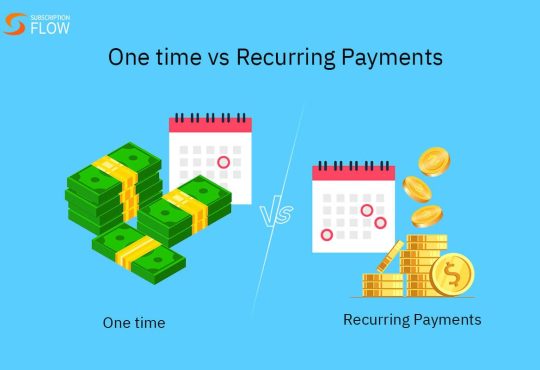
- Revenue share: A percentage of each sale or subscription payment, commonly 20–40% for SaaS products. Recurring revenue share is especially valuable because it compounds over the customer lifetime.
- Cost per acquisition (CPA): A flat fee per new customer or trial signup. Predictable, but it caps upside for high-value conversions.
- Cost per lead (CPL): Payment for qualified leads such as demo requests or email signups. Popular in B2B tech but vulnerable to lead-quality disputes.
- Tiered commissions: Rates that increase as volume grows, rewarding top-performing partners and encouraging scale.
Pay close attention to how the program defines a “qualified sale.” Refund windows, chargebacks, and fraud screening can retroactively reduce your commissions. A 30% commission means little if 40% of sales are reversed before payout.
Cookie Duration and Attribution Windows
Cookie duration determines how long after a referral click you retain credit for a conversion. For tech products with long consideration cycles—enterprise software, hosting, cybersecurity—short windows are a major disadvantage.
| 24 hours | Low-cost consumer apps | Favors last-click, penalizes content marketers |
| 30 days | Standard SaaS programs | Balanced for most mid-funnel content |
| 60–90 days | B2B and enterprise software | Rewards research-driven publishers |
| Lifetime or first-click | Premium partner programs | Highly favorable but rare |
Attribution models matter just as much. Last-click attribution credits the final touchpoint, while first-click and multi-touch models distribute credit across the journey. Understand which model the program uses and whether coupon or deal sites can override your referral.
Payment Terms and Thresholds
Cash flow is a silent killer of affiliate businesses. Review these payment terms carefully:
Compliance, Brand Guidelines, and Prohibited Practices
Tech brands are protective of their reputation, and compliance terms are usually strict. Common requirements include:
- Disclosure obligations: Clear affiliate disclosures as required by the FTC and similar regulators.
- Advertising restrictions: Bans on bidding on branded keywords, trademark use in domains, or misleading claims about product capabilities.
- Content standards: Rules against incentivized traffic, cookie stuffing, email spam, and unauthorized coupons.
- Data privacy: Compliance with GDPR, CCPA, and similar frameworks when collecting or passing lead data.
Violations can trigger immediate termination and forfeiture of unpaid commissions, so treat compliance terms as non-negotiable operating rules.
Termination, Modification, and Exclusivity Clauses
Programs reserve the right to change terms—sometimes with minimal notice. Look for clauses covering:
- Termination for convenience: How much notice is required, and what happens to pending commissions?
- Commission modifications: Can rates be lowered retroactively or only going forward?
- Exclusivity and non-compete: Some programs restrict promotion of competing products.
- Chargeback and clawback policies: Rules for recovering commissions on refunded or fraudulent transactions.
Evaluating the Full Picture
No single term determines whether an affiliate program is worth your effort. A generous commission paired with a 24-hour cookie and net-60 payments may underperform a modest rate with lifetime attribution and monthly payouts. The most important affiliate program terms are the ones that shape your effective earnings: commission structure, cookie duration and attribution, payment reliability, compliance obligations, and termination protections. Read the agreement, model the numbers, and negotiate where volume justifies it. In tech, where customer lifetime value is high and sales cycles are long, favorable attribution and recurring commissions are often worth more than a headline percentage.