
How to Build an SEO Strategy for an Affiliate Website
Affiliate marketing is one of the most competitive corners of the digital economy, and search engine optimization remains the most durable channel for driving qualified traffic to affiliate properties. Unlike paid acquisition, which stops the moment your budget runs dry, a well-executed SEO strategy compounds over time—each piece of optimized content becomes a long-term asset that earns commissions around the clock. However, affiliate sites face unique challenges: thin-content penalties, algorithm scrutiny, and an inherent tension between monetization and user trust. This guide outlines a professional, step-by-step framework for building an SEO strategy that survives updates and converts visitors into revenue.
Understand the Affiliate SEO Landscape
Before writing a single article, you need to grasp how search engines evaluate affiliate content. Google’s guidance is explicit: sites that exist solely to aggregate affiliate links without adding original value are at risk of being classified as thin or low-quality. The winning approach is to position your site as an independent, expert resource that happens to monetize through affiliate partnerships—not the other way around.
Key realities to internalize:
- E-E-A-T matters intensely. Experience, Expertise, Authoritativeness, and Trustworthiness are the lens through which reviewers assess your content.
- Commercial intent keywords are crowded. You will compete against established publishers and retailers, so differentiation is non-negotiable.
- Disclosure builds trust. Clear, prominent affiliate disclosures are both a legal requirement and a ranking signal of transparency.
Phase 1: Keyword Research and Niche Selection
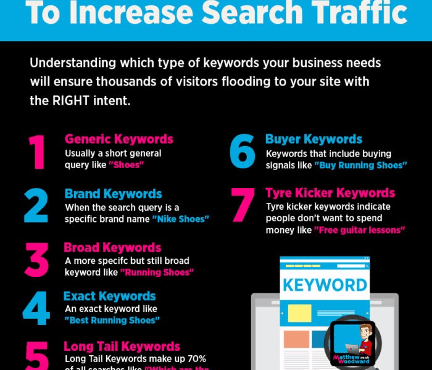
Start With Buyer Intent
Affiliate revenue flows from commercial and transactional queries. Map your keyword universe into three tiers:
Assess Difficulty Against Your Authority
New affiliate sites should target long-tail, low-competition phrases with clear purchase intent. Use these criteria when evaluating opportunities:
- Search volume sufficient to justify production effort (typically 100+ monthly searches for long-tail terms).
- Keyword difficulty score below your domain’s current authority threshold.
- Evidence of affiliate-friendly results (comparison lists, review roundups) on page one.
- Absence of dominant retailer monopolization for the query.
Phase 2: Site Architecture and Technical Foundation
Technical SEO is the foundation upon which content performance rests. Affiliate sites frequently stumble here because they prioritize monetization plugins over crawlability and speed.
Architectural Priorities
- Flat, logical hierarchy: Category pages should sit within one or two clicks of the homepage, with review articles nested beneath relevant categories.
- Clean URL structures: Avoid parameter-heavy affiliate links in crawlable paths; use redirects managed through a central link-management layer.
- Schema markup: Implement Product, Review, FAQ, and Breadcrumb structured data to enhance rich results eligibility.
- Core Web Vitals: Compress images, defer non-critical scripts, and audit affiliate plugins for render-blocking behavior.
- Canonical discipline: Ensure comparison tables and filter pages do not create duplicate content conflicts.
Phase 3: Content Strategy That Earns Rankings
The Three Content Pillars
| Reviews | Capture product-specific commercial queries | In-depth single-product analysis with pros, cons, and testing notes |
| Roundups | Own “best of” comparison keywords | Curated lists with evaluation criteria and buyer guidance |
| Supporting content | Build topical authority and internal link equity | How-to guides, buying guides, FAQs, glossary pages |
Quality Standards for Affiliate Content
Every page should demonstrate first-hand value. Include original testing data, photographs, screenshots, or hands-on observations wherever possible. Structure articles with clear headings, comparison tables, and scannable summaries. Crucially, recommend products on merit, not commission rate—readers and reviewers alike detect and penalize biased recommendations.
Phase 4: On-Page Optimization and Internal Linking
On-page fundamentals remain decisive. Optimize title tags and meta descriptions for click-through rate, place primary keywords naturally in H1s and opening paragraphs, and use descriptive alt text on all imagery. Beyond the basics, internal linking is the most underutilized lever on affiliate sites.
- Link from supporting informational content to monetized reviews and roundups using contextual anchor text.
- Build hub-and-spoke clusters: a pillar page links to all cluster articles, and each cluster article links back to the pillar.
- Audit for orphan pages quarterly and resolve them with relevant internal links.
Phase 5: Link Building and Authority Development
Affiliate sites are held to a high bar for backlink quality. Pursue links that signal genuine editorial endorsement:
Phase 6: Measurement, Iteration, and Compliance
A strategy without measurement is guesswork. Track rankings, organic sessions, affiliate click-through rates, and conversion rates per page. Segment performance by content pillar to identify which formats justify continued investment.
Review your portfolio quarterly and take decisive action:
- Refresh underperforming pages with updated data, products, and internal links.
- Consolidate overlapping articles through 301 redirects to strengthen a single authoritative page.
- Prune content that generates neither traffic nor conversions and cannot be salvaged.
- Audit compliance regularly—disclosures, FTC guidelines, and program terms are non-negotiable.
Conclusion
Building an SEO strategy for an affiliate website is fundamentally an exercise in earning trust at scale. Search engines reward sites that provide genuine expertise, transparent recommendations, and superior user experience—and those same qualities drive conversions. By grounding your strategy in rigorous keyword selection, technical excellence, original content, authoritative link acquisition, and disciplined iteration, you create an affiliate property that withstands algorithm volatility and generates sustainable revenue for years to come.