A Beginner’s Guide to Starting Affiliate Marketing
Affiliate marketing is one of the most accessible entry points into digital entrepreneurship, particularly for those with an interest in technology. At its core, affiliate marketing is a performance-based model in which you earn a commission by promoting products or services created by others. You do not need to manufacture a product, manage inventory, or handle customer support. Instead, you connect your audience with relevant solutions and earn a percentage of each sale you refer. For newcomers willing to learn the fundamentals, the model offers a realistic path to supplemental—or eventually full-time—income.
This guide outlines the essential steps, common pitfalls, and practical strategies for building a sustainable affiliate marketing business from the ground up.
Understanding the Affiliate Marketing Model
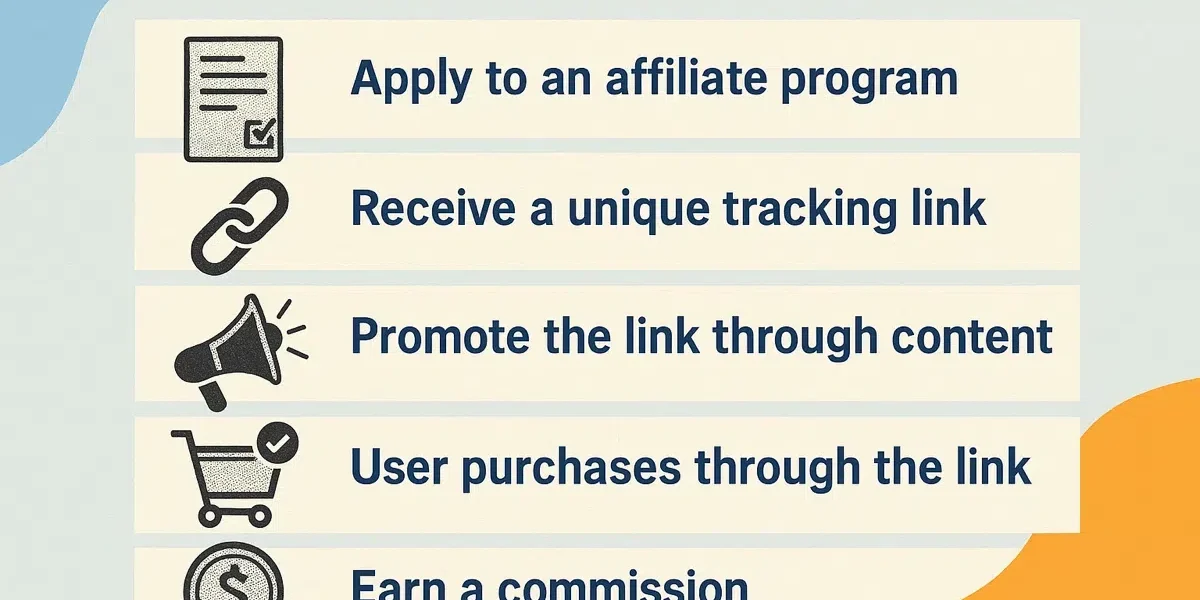
Affiliate marketing operates on a straightforward exchange. A merchant or network provides you with a unique tracking link. When a visitor clicks that link and completes a desired action—typically a purchase, but sometimes a sign-up or download—you receive a commission. The tracking technology ensures you are credited for the referral, even if the sale occurs days or weeks later, depending on the program’s cookie duration.
The three primary participants in the ecosystem are:
- Merchants — companies that create the products and run affiliate programs.
- Affiliates (publishers) — individuals or businesses that promote the products.
- Affiliate networks — platforms that connect merchants and affiliates and handle tracking and payment.
Common commission structures include a percentage of the sale price, a flat fee per conversion, or a recurring commission for subscription-based products. Recurring commissions are particularly attractive in the technology niche, where software subscriptions are standard.
Step One: Choose a Profitable Niche
Your niche determines your audience, your content, and your revenue potential. In the technology space, viable niches range from cybersecurity and cloud computing to consumer electronics and productivity software. The most effective approach is to select a niche that satisfies three criteria:
Narrow positioning is a strategic advantage for beginners. A site dedicated to “cybersecurity tools for small businesses” will typically gain traction faster than a broad site covering every technology topic.
Step Two: Select the Right Affiliate Programs
Not all affiliate programs are created equal. Evaluate candidates against commission rates, cookie duration, payment thresholds, and reputation. Key program types include:
| Software and SaaS | 20–40% recurring or one-time | Technical reviewers and tutorial creators |
| Consumer electronics | 1–8% per sale | Review sites and comparison content |
| Web hosting and domains | High flat fees | Bloggers targeting developers and site owners |
| Online courses and education | 30–50% | Content creators with engaged audiences |
Begin with a small number of programs—two to four—and master them before expanding. Trust and relevance matter more than the sheer number of links on your site.
Step Three: Build a Platform and Produce Valuable Content
Your platform is the foundation of your business; you do not own your social media audience, but you do own your website and email list. A self-hosted WordPress site remains the industry standard for affiliate marketers, offering control, flexibility, and strong search engine optimization (SEO) capabilities.
Content is the engine that drives affiliate revenue. High-converting content formats in the technology niche include:
- Product reviews — in-depth, hands-on assessments that address real user concerns.
- Comparison articles — “X vs. Y” pieces that help readers make decisions.
- Tutorials and how-to guides — educational content that naturally introduces relevant tools.
- Best-of lists — curated roundups for specific use cases and budgets.
Prioritize usefulness over promotion. Readers reward content that solves problems, and search engines reward content that demonstrates expertise and trustworthiness.
Step Four: Drive Targeted Traffic
Traffic is the lifeblood of affiliate marketing. Beginners should focus on two or three channels rather than spreading effort thinly. Organic search is the highest-value long-term channel because it delivers compounding, intent-driven visitors. Complementary channels include email newsletters, YouTube tutorials, and niche communities such as technical forums and LinkedIn groups.
Pay-per-click advertising can accelerate results but requires capital and experimentation; it is generally not recommended until you understand your conversion rates. Whichever channels you choose, track performance diligently using analytics tools and affiliate dashboards.
Step Five: Maintain Transparency and Comply with Regulations
Disclosure is both a legal requirement and a trust signal. In the United States, the Federal Trade Commission requires clear disclosure of affiliate relationships, and similar rules apply in many other jurisdictions. Place a conspicuous disclosure near your affiliate links or at the top of your content. Readers appreciate honesty, and transparency strengthens long-term credibility.
Common Mistakes to Avoid
- Promoting products you have not evaluated — credibility is difficult to rebuild.
- Ignoring analytics — data should guide every content and program decision.
- Chasing high commissions over relevance — mismatched offers convert poorly.
- Building on rented land — always own your website and email list.
Conclusion
Affiliate marketing rewards patience, consistency, and genuine expertise. The technology niche is competitive, but it is also lucrative for those who produce substantive, trustworthy content. Start with a focused niche, select a small set of reputable programs, build a platform you control, and measure everything. Success rarely arrives overnight, but a disciplined approach compounds over time into a durable, scalable income stream. The most effective first step is also the simplest: begin.