Popular Types of Affiliate Programs Explained
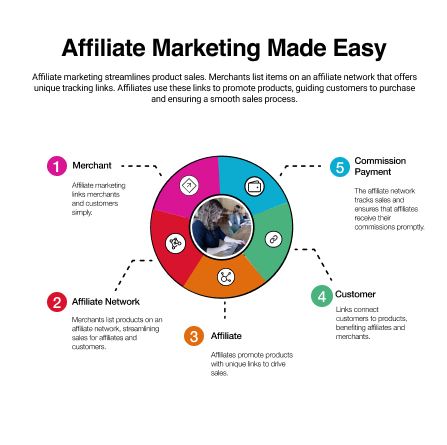
Affiliate marketing remains one of the most accessible and cost-effective channels for technology companies to scale revenue. For publishers, developers, and content creators, it offers a way to monetize expertise without building a product. Yet the term “affiliate program” covers a wide range of models, each with distinct economics, tracking mechanisms, and operational requirements. Understanding these structures is essential before selecting partners or launching a program. This guide breaks down the most popular types of affiliate programs in the tech niche and explains how each one works.
Why the Program Type Matters
Not all affiliate relationships are interchangeable. A SaaS company paying recurring commissions to a review site operates very differently from a hardware brand paying a flat bounty to a coupon publisher. The program type determines how commissions are calculated, how performance is tracked, and which partners are attracted to your offer. Choosing the wrong model can lead to margin erosion, attribution disputes, or partnerships that never convert.
Pay-Per-Sale Programs
Pay-per-sale, also known as cost-per-acquisition (CPA), is the most common model in technology affiliate marketing. The publisher earns a commission only when a referred user completes a purchase or signs up for a paid plan. Compensation typically takes one of two forms:
- Percentage of revenue: Common for SaaS, hosting, and e-commerce, where affiliates earn a share of each transaction.
- Flat bounty: A fixed fee per conversion, often used for hardware, subscriptions, or trial-to-paid flows.
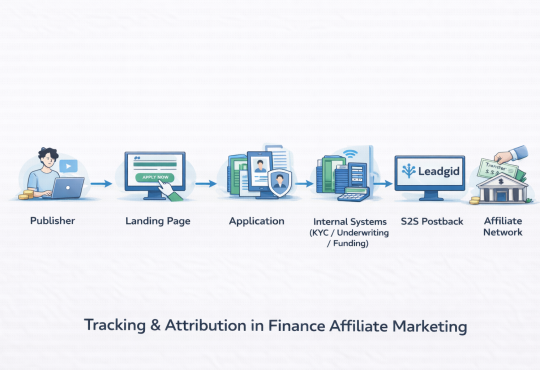
This model aligns incentives well: the merchant pays only for results, and the affiliate is motivated to drive qualified traffic. The trade-off is that conversion tracking must be robust, particularly for long sales cycles or products with free trials.
Recurring Commission Programs
A specialized variant of pay-per-sale, recurring commissions reward affiliates for as long as a referred customer remains subscribed. This is the dominant model among SaaS vendors, hosting providers, and security platforms. Recurring programs attract high-quality publishers because they build predictable, compounding income. For merchants, they function as a customer acquisition cost spread over the customer lifetime, which requires careful modeling to remain sustainable.
Pay-Per-Lead Programs
In pay-per-lead (CPL) programs, affiliates are compensated for generating a qualified lead rather than a completed sale. A lead might be a demo request, a newsletter signup, a trial registration, or a completed contact form. This model suits technology companies with consultative sales processes, such as enterprise software vendors, managed service providers, and IT training platforms.
The central challenge is lead quality. Without strict qualification criteria and fraud controls, CPL programs can attract low-intent traffic that inflates costs. Mature programs publish clear definitions of an accepted lead and often pay tiered rates based on lead quality.
Pay-Per-Click Programs
Pay-per-click (PPC) programs pay affiliates for each visitor they send to the merchant’s site, regardless of whether a sale occurs. This model is less common in premium tech niches but appears in directories, comparison engines, and content networks. It shifts traffic risk to the merchant, so it demands rigorous click fraud detection. Most sophisticated technology brands prefer performance models tied to downstream conversions.
In-House vs. Network Programs
Beyond compensation structure, programs differ in how they are managed. This distinction significantly affects operations, reporting, and recruitment.
| In-house | Managed with proprietary tracking and direct affiliate relationships | Brands with dedicated partnership teams and mature analytics |
| Affiliate network | Hosted on a third-party platform with shared tracking and payments | Companies launching quickly or seeking access to established publishers |
| Hybrid | Network infrastructure paired with direct management of top partners | Scaling programs that need both reach and control |
In-house programs offer greater control over attribution, commission structures, and partner communication, but they require engineering and administrative resources. Networks lower the barrier to entry and simplify payments, though they introduce platform fees and less flexibility.
Coupon, Deal, and Cashback Programs
Coupon and cashback affiliates attract price-sensitive buyers who are already close to conversion. In technology retail, they can drive volume on hardware and consumer software. However, they often cannibalize sales that would have occurred organically. Brands typically manage this risk through commission caps, exclusive code policies, and attribution windows that limit last-click credit.
Content and Review Affiliates
Review sites, comparison portals, and technical publications are the highest-value partners in most technology niches. Their audiences are researching, not browsing, which produces higher intent and better retention. These publishers usually favor hybrid compensation: a competitive CPA rate plus early access, demo environments, or dedicated support. Investing in this segment often yields the strongest long-term return.
Influencer and Creator Programs
Influencer affiliate programs blend content marketing with performance tracking. Creators in developer, cybersecurity, and gadget communities can drive highly engaged traffic through tutorials, reviews, and live streams. The most effective programs provide unique tracking links, clear disclosure guidance, and creative assets tailored to technical audiences.
Two-Tier and Sub-Affiliate Programs
Two-tier programs pay affiliates a commission on the sales generated by affiliates they recruit. This structure can accelerate program growth, particularly in education and tooling niches where communities overlap. The risk is dilution of brand control and commission stacking. Program managers should cap second-tier payouts and vet recruiters carefully.
Selecting the Right Mix
Most successful technology companies operate a portfolio rather than a single model. A typical structure might combine:
The right mix depends on your sales cycle, margin structure, and the intent of your target audience. Program type is not a set-and-forget decision; it should be reviewed as pricing, product, and market conditions evolve.
Final Thoughts
Affiliate programs succeed when the compensation model matches the behavior you want to reward. Pay-per-sale and recurring programs reward conversion, lead programs reward qualification, and content partnerships reward expertise. Technology brands that align program design with partner incentives, invest in accurate tracking, and manage the portfolio deliberately will outperform those that treat affiliates as a single undifferentiated channel.