
How to Create Buying Guides That Attract Organic Traffic
In the competitive landscape of technology publishing, buying guides have become one of the most effective assets for capturing high-intent organic traffic. When executed with precision, these guides position your brand as a trusted authority while connecting users with products they are actively researching. This article outlines a strategic framework for building buying guides that rank well, convert effectively, and generate sustainable organic growth.
Understand Search Intent Before You Write
The foundation of any successful buying guide is a rigorous understanding of search intent. Users searching for “best laptops 2025” or “best noise-cancelling headphones under $300” are not interested in brand storytelling—they want clear, comparative, decision-ready information. Your content must satisfy this intent immediately and comprehensively.
Begin by mapping the query landscape for your target category:
- Commercial investigation queries: “best [product] for [use case],” “[product A] vs [product B],” “top [product] brands.”
- Transactional queries: “[product] deals,” “buy [product] online,” “[product] pricing.”
- Long-tail modifiers: price thresholds, feature requirements, audience segments, and regional variations.
Analyze the top-ranking results for each query. Identify content gaps, outdated information, and areas where competitors fall short. This analysis informs both your content strategy and your differentiation angle.
Structure Guides for Both Readers and Search Engines
A well-structured buying guide serves two audiences simultaneously: the human reader seeking a quick decision and the search engine evaluating topical relevance. Organize your content with a logical hierarchy that mirrors the buyer’s decision journey.
Essential Content Sections
Use descriptive H2 and H3 headings that incorporate relevant keywords naturally. Avoid keyword stuffing; prioritize clarity and readability. Each section should stand alone as a useful resource, which improves dwell time and reduces bounce rates.
Build Topical Authority Through Depth and Accuracy
Search engines reward content that demonstrates genuine expertise. For technology buying guides, this means accurate specifications, real-world testing data, and transparent methodology. Visitors and algorithms alike can distinguish between superficial roundups and authoritative analyses.
Strengthen authority by incorporating:
| Original testing data | Establishes credibility | Earns backlinks and citations |
| Expert quotes or reviews | Adds human perspective | Improves E-E-A-T signals |
| Updated specifications | Maintains accuracy | Preserves ranking stability |
| Clear methodology | Builds trust | Reduces bounce rate |
| Internal links to related guides | Creates topic clusters | Distributes link equity |
Regularly refresh guides to reflect new product releases, price changes, and evolving standards. Stale content loses rankings quickly, especially in fast-moving technology categories.
Optimize for On-Page SEO and User Experience
Technical and on-page optimization ensure your buying guides reach their intended audience. Focus on the following elements:
- Title tags and meta descriptions: Include primary keywords and a compelling value proposition within character limits.
- Schema markup: Implement Product, Review, and FAQ schema to enhance search visibility.
- Internal linking: Connect guides to related reviews, category pages, and comparison articles.
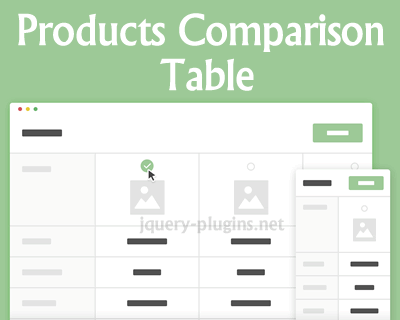
- Mobile responsiveness: Ensure tables, images, and navigation function flawlessly on mobile devices.
- Page speed: Compress images and minimize scripts to maintain fast load times.
- Accessibility: Use alt text for images and semantic headings for screen readers.
User experience directly influences SEO performance. Clear formatting, scannable content, and intuitive navigation reduce friction and signal quality to search engines.
Promote and Measure Performance
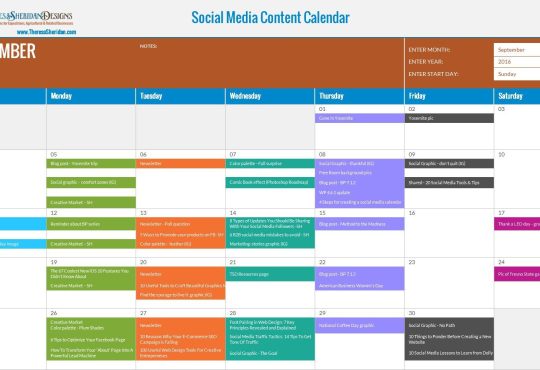
Publishing is only the beginning. Amplify your buying guides through email newsletters, social media, and outreach to relevant communities. Monitor performance using analytics tools to track organic sessions, keyword rankings, conversion rates, and engagement metrics.
Identify underperforming sections and iterate based on data. A/B testing headlines, adjusting recommendations, and expanding FAQ content can yield measurable improvements over time.
Conclusion
Creating buying guides that attract organic traffic requires a disciplined blend of search intent research, authoritative content, technical optimization, and continuous refinement. By prioritizing user needs and demonstrating genuine expertise, technology publishers can build guides that rank consistently, earn trust, and drive meaningful conversions. Treat each guide as a living asset—one that evolves with the market and compounds in value over time.