
Common Affiliate Marketing Mistakes and How to Avoid Them
Affiliate marketing remains one of the most accessible and scalable revenue channels in the tech space. Yet the gap between affiliates who build sustainable income and those who burn out after a few months almost always comes down to execution. The platforms are available to everyone; the discipline is not. Below is a breakdown of the most common affiliate marketing mistakes, why they undermine performance, and the concrete steps you can take to avoid them.
1. Chasing Products Instead of Audience Needs
The most frequent mistake is selecting offers based on commission rate rather than audience relevance. A 40% commission on a product your readers will never buy is worth less than a 5% commission on the tool they already need. High-ticket offers are attractive in spreadsheets and damaging in practice when trust is on the line.
How to Avoid It
- Map offers to intent: Identify what your audience is actively trying to solve before reviewing any affiliate program.
- Use your own data: Search console queries, support questions, and comment threads reveal purchase intent more reliably than commission tables.
- Prioritize relevance over rate: A relevant recommendation converts repeatedly; an irrelevant one converts once and costs credibility.
2. Neglecting Disclosure and Compliance
Regulatory bodies including the FTC in the United States and comparable authorities elsewhere require clear, conspicuous affiliate disclosure. Many publishers treat this as a footer checkbox. It is not. Missing or buried disclosures create legal exposure and erode reader trust simultaneously.
How to Avoid It
- Place disclosure above the first affiliate link, not at the bottom of the page.
- Use plain language: state clearly that you may earn a commission at no extra cost to the reader.
- Keep disclosures consistent across articles, newsletters, video descriptions, and social posts.
- Review program terms for brand bidding restrictions and coupon compliance rules before you publish.
3. Ignoring Link Hygiene and Tracking
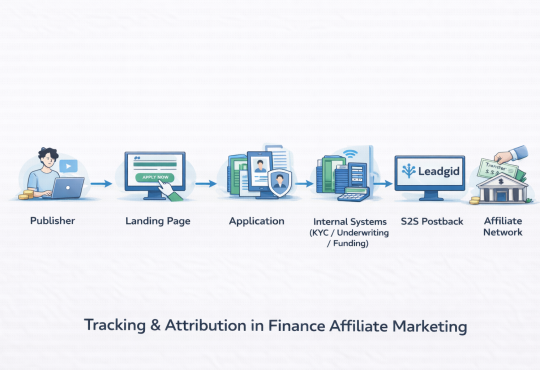
Broken links, untagged campaigns, and missing sub-IDs are silent revenue killers. An affiliate link that 404s after a vendor rebrands can quietly drain weeks of commissions. Untagged traffic makes it impossible to know which channel actually produces results.
How to Avoid It
4. Optimizing for Clicks Instead of Conversions
Click-through rate is a vanity metric when it stands alone. Affiliates often chase higher CTR with aggressive calls to action, only to see conversion rates collapse because the traffic quality degraded. Revenue per thousand visitors is the number that matters.
How to Avoid It
- Measure EPC (earnings per click) and conversion rate per offer, not just CTR.
- Segment performance by traffic source to identify where quality actually originates.
- Test call-to-action placement and copy against downstream revenue, not click volume.
5. Producing Thin, Template-Driven Content
Search engines and readers both penalize generic roundups that repeat vendor marketing copy. Affiliate content that lacks firsthand testing, screenshots, or genuine comparison criteria rarely ranks and rarely converts. The tech niche is especially unforgiving here, because your audience can verify claims in minutes.
How to Avoid It
- Include original evidence: benchmarks, screenshots, configuration notes, or migration experiences.
- State who the product is not for. Honest exclusions build more trust than universal praise.
- Update published reviews when pricing or features change; stale content loses rankings and commissions.
6. Overlooking Diversification and Program Risk
Dependence on a single affiliate program is an operational risk. Commission structures change, programs close, and attribution windows shrink. Affiliates who build around one merchant often lose the majority of their income overnight.
How to Avoid It
| Single-program dependency | Diversify across at least three to five complementary offers |
| Commission changes | Review program terms quarterly and model revenue impact |
| Traffic concentration | Build owned channels such as email and community alongside search |
| Attribution shrinkage | Track cookie windows and prioritize programs with durable tracking |
7. Skipping Testing and Iteration
Affiliate marketing rewards systematic iteration. Publishers who publish and walk away leave substantial revenue on the table. Small changes, tested consistently, compound into meaningful gains over a quarter.
How to Avoid It
- Maintain a testing backlog for headlines, comparison tables, CTA copy, and offer placement.
- Run one variable at a time and document results for at least thirty days.
- Review underperforming pages monthly and either improve or consolidate them.
Final Thoughts
Affiliate marketing failures are rarely dramatic. They accumulate through relevance mismatches, compliance shortcuts, broken tracking, and content that offers no genuine value. The affiliates who succeed in the tech niche treat recommendations as editorial obligations, measure revenue rather than clicks, and build diversified, well-documented systems. Avoid the mistakes above and the channel becomes not just a revenue stream, but a durable asset.