Affiliate Marketing Funnels: How They Work
Affiliate marketing has matured from a scattergun discipline of banner placements and coupon codes into a sophisticated performance channel built on structured customer journeys. At the center of that evolution sits the affiliate marketing funnel — a deliberate sequence of touchpoints designed to move a prospect from first awareness to a completed, commission-generating conversion. For technology brands operating in crowded SaaS, hardware, and developer-tool markets, understanding the mechanics of these funnels is no longer optional. It is the difference between paying for clicks and engineering predictable revenue.
This article breaks down what affiliate funnels are, how they function at each stage, and how merchants and publishers can build them for measurable advantage.
What Is an Affiliate Marketing Funnel?
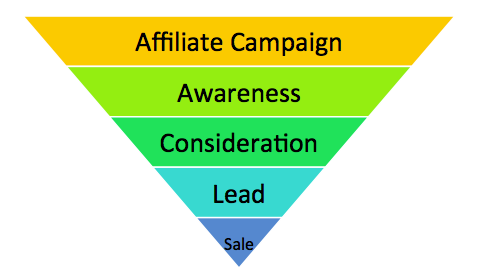
An affiliate marketing funnel is the structured path a prospective customer follows from initial exposure to an affiliate’s content through to a purchase or subscription, with attribution and commission tied to the affiliate’s role in that journey. Unlike a single affiliate link dropped into a blog post, a funnel orchestrates multiple stages — content, capture, nurture, conversion, and retention — each with its own assets, metrics, and optimization levers.
The critical distinction is intentionality. A funnel is not an accident of traffic; it is a designed system in which every stage has a defined objective and a measurable handoff to the next. For technology products with longer consideration cycles, this structure is what makes affiliate performance defensible and scalable.
The Stages of an Affiliate Funnel
Stage 1: Awareness
The top of the funnel is where affiliates generate qualified attention. Typical assets include comparison articles, tutorials, review videos, newsletters, and community posts. The objective is not conversion but relevance — reaching audiences whose intent aligns with the merchant’s solution.
- Educational content that ranks for high-intent search terms
- Video walkthroughs and product demos
- Newsletter and social distribution to owned audiences
- Partnership placements with niche publications
Stage 2: Capture and Lead Generation
For considered technology purchases, the first click rarely converts. Capture mechanisms — lead magnets, demo registrations, free trials, webinars — allow affiliates to retain contact with prospects and continue the conversation. This is where email lists, retargeting audiences, and gated content become strategic assets rather than tactics.
Stage 3: Nurture and Consideration
During nurture, affiliates deliver proof: case studies, technical deep dives, ROI comparisons, and objection-handling content. For B2B and developer-facing products, this stage often determines whether a prospect ever reaches the merchant’s checkout or sales team. Trust is built here, and so is the affiliate’s earned commission.
Stage 4: Conversion
Conversion is the moment of transaction — sign-up, subscription, license purchase, or booked demo. Attribution models (last click, first click, linear, position-based) determine which affiliate receives credit, and therefore shape affiliate behavior. Merchants should align their attribution model with the funnel reality: if affiliates do meaningful upper-funnel work, last-click-only models will underfund that work.
Stage 5: Retention and Expansion
In subscription and SaaS contexts, the funnel does not end at acquisition. Recurring commissions, upsell incentives, and renewal bonuses reward affiliates for bringing in customers who stay. Retention-focused funnels align affiliate incentives with lifetime value rather than one-time conversion volume.
How the Technology Behind Affiliate Funnels Works
Funnel mechanics depend on tracking infrastructure. Cookies, server-side tracking, and privacy-compliant identifiers link affiliate referrals to downstream events. Modern affiliate platforms support deep-link tracking, multi-touch attribution, and postback integrations with CRMs and billing systems, allowing merchants to attribute revenue accurately across the entire journey.
| Awareness | Content, video, community | Reach, qualified traffic | Bonus for volume and quality |
| Capture | Lead magnets, trials | Lead conversion rate | Per-lead payout |
| Nurture | Case studies, demos | Engagement, pipeline velocity | Tiered commission |
| Conversion | Checkout, sales handoff | Conversion rate, CAC | Percentage of sale |
| Retention | Onboarding, support content | Renewal rate, LTV | Recurring or renewal bonus |
Designing a High-Performing Affiliate Funnel
Common Pitfalls to Avoid
Many programs fail because they treat affiliates as a single undifferentiated channel. Others over-index on last-click attribution, starving the content creators who generate demand. A third failure mode is insufficient tracking — without reliable event data, optimization is guesswork. Technology merchants should also guard against coupon and trademark abuse, which can cannibalize organic conversions and distort funnel economics.
The Bottom Line
Affiliate marketing funnels convert a fragmented channel into an engineered revenue system. By aligning affiliate incentives with each stage of the customer journey — and by investing in the tracking and enablement infrastructure that makes those stages measurable — technology brands can build affiliate programs that scale with quality rather than volume. The funnel is not merely an organizing metaphor; it is the operating model for sustainable affiliate growth.