The Role of Storytelling in Affiliate Marketing
Affiliate marketing has matured into one of the most competitive channels in digital commerce. With thousands of publishers promoting the same products, differentiation rarely comes from the offer alone. The variable that consistently separates high-performing affiliates from the rest is storytelling. Narrative transforms a transactional recommendation into a persuasive experience, and persuasion is the currency of affiliate conversion. This article examines how storytelling functions within affiliate marketing, why it influences buyer behavior, and how publishers can build narrative frameworks that produce measurable results.
Why Storytelling Matters in a Saturated Market
Modern consumers are exposed to hundreds of promotional messages daily. Most of these messages follow an identical pattern: feature list, price point, call to action. The result is predictable—audiences develop advertising blindness and ignore content that reads like a sales pitch.
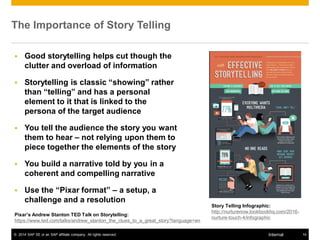
Storytelling bypasses that defense mechanism. A well-constructed narrative engages the reader emotionally before it presents a commercial proposition. When the recommendation arrives, it feels like a natural conclusion rather than an interruption. For affiliates, this shift has three concrete benefits:
- Higher engagement: Narrative content holds attention longer, increasing the likelihood that readers reach the affiliate link.
- Stronger trust: Stories humanize the publisher and demonstrate firsthand experience with the product.
- Improved recall: Audiences remember stories far better than specifications, which strengthens brand association and repeat visits.
The Psychology Behind Narrative Persuasion
Storytelling is not a soft skill—it is applied behavioral science. When readers process a story, they mentally simulate the events described. This phenomenon, often called narrative transportation, reduces counterarguing and increases openness to the message embedded in the narrative.
Three psychological mechanisms drive this effect in affiliate contexts:
The practical implication is clear: affiliates who document real experiences consistently outperform those who aggregate specifications. Authenticity is not merely an ethical preference; it is a conversion lever.
Core Storytelling Frameworks for Affiliate Content
The Problem–Solution Arc
The most reliable framework in affiliate marketing remains the problem–solution arc. Open with a specific, relatable pain point, illustrate the cost of that problem, introduce the product as the turning point, and close with measurable results. This structure works across reviews, tutorials, and case studies because it mirrors how buyers actually make decisions.
The Personal Journey
First-person accounts carry exceptional persuasive weight. A publisher who explains why they switched tools, what failed before, and what changed afterward creates a credibility profile that no spec sheet can replicate. The key is specificity: concrete numbers, timelines, and outcomes transform anecdote into evidence.
The Buyer’s Guide Narrative
Comparison content often reads as a spreadsheet in prose form. Storytelling improves it by framing options around user scenarios. Instead of listing features, the publisher narrates: “If you run a solo consultancy, this tier removes the friction you will feel first; if you manage a team, the enterprise plan prevents the bottleneck described below.” Scenario-based framing helps readers self-select, which improves click quality and reduces refund rates.
Applying Storytelling Across Affiliate Channels
Narrative principles adapt to every major affiliate format. The table below summarizes how to apply them:
| Long-form reviews | Full problem–solution arc with documented testing | Conversion and authority |
| Email sequences | Serialized personal journey across multiple messages | Relationship building |
| Video content | On-screen demonstration with real-time results | Trust and engagement |
| Social media | Micro-stories focused on a single moment or outcome | Reach and click-through |
| Comparison pages | Scenario-based buyer narratives | Qualified traffic |
Balancing Narrative and Disclosure
Effective storytelling never compromises transparency. Regulatory frameworks in most jurisdictions require clear affiliate disclosure, and audiences punish perceived manipulation swiftly. The professional standard is straightforward: disclose the commercial relationship prominently, then let the story do its work. Authenticity and compliance are complementary—readers who trust the disclosure trust the recommendation.
Measuring the Impact of Narrative Content
Storytelling must be evaluated with the same rigor as any other tactic. Publishers should track engagement metrics such as time on page and scroll depth alongside commercial metrics such as click-through rate and conversion rate. A/B testing narrative introductions against feature-led introductions typically reveals meaningful differences in both engagement and revenue per visitor. Over time, these tests build an evidence base for which narrative structures resonate with a given audience.
Conclusion
In affiliate marketing, products are abundant and attention is scarce. Storytelling is the discipline that converts attention into trust and trust into transactions. By grounding recommendations in real experience, structuring content around proven narrative frameworks, and measuring outcomes rigorously, affiliates can build durable competitive advantages. The publishers who master narrative will not merely promote products—they will become the trusted voice their audiences return to before every purchase decision.